How Luxury Homes Influence Interior Design Trends
Home & Design
Home & Design
A bi coastal perspective on design, lifestyle, and long term value
In the luxury market, patterns reveal themselves long before they become trends. One truth I have consistently observed is that luxury homes do not simply reflect interior design movements. They help create them.
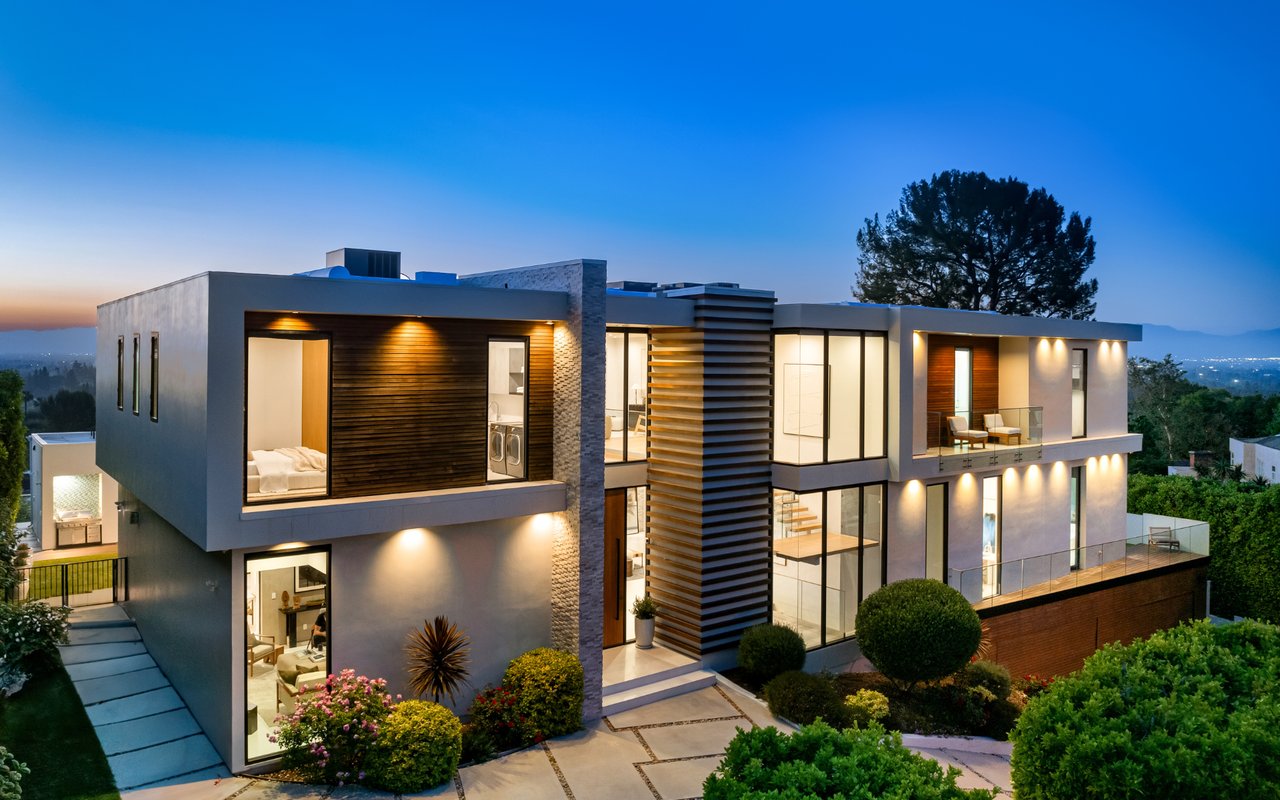
Luxury homes influence interior design trends by serving as early adoption environments where architects and designers introduce new materials, spatial concepts, and integrated technologies. High net worth homeowners prioritize customization, craftsmanship, and lifestyle functionality. Once these innovations gain visibility and validation in the luxury market, they are gradually adapted into broader residential segments.
Luxury real estate acts as a proving ground for design innovation. Because affluent homeowners can invest in customization, designers introduce new materials, layouts, and technologies at the luxury level first. Over time, these features are reinterpreted in more attainable markets, influencing broader interior design direction.
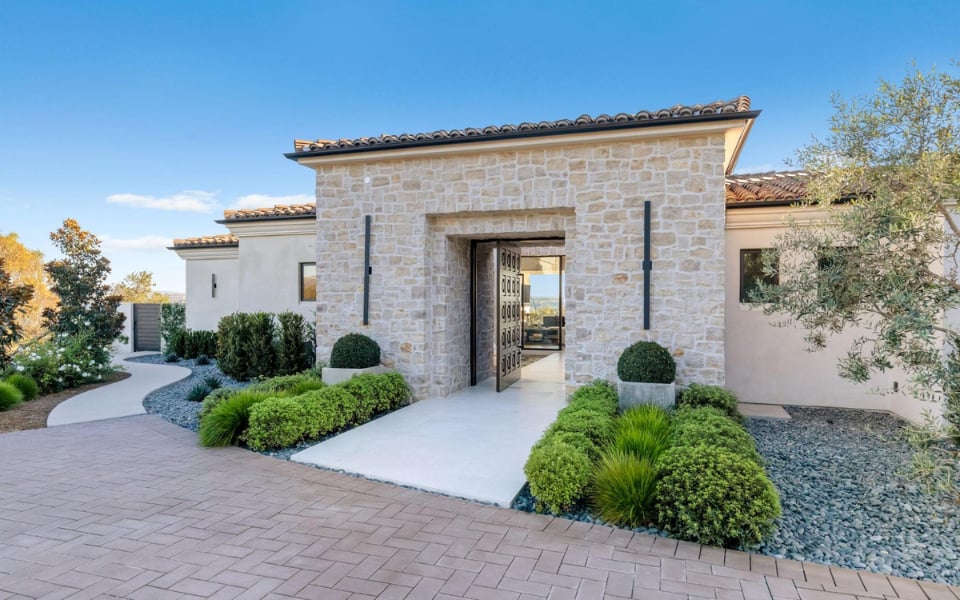
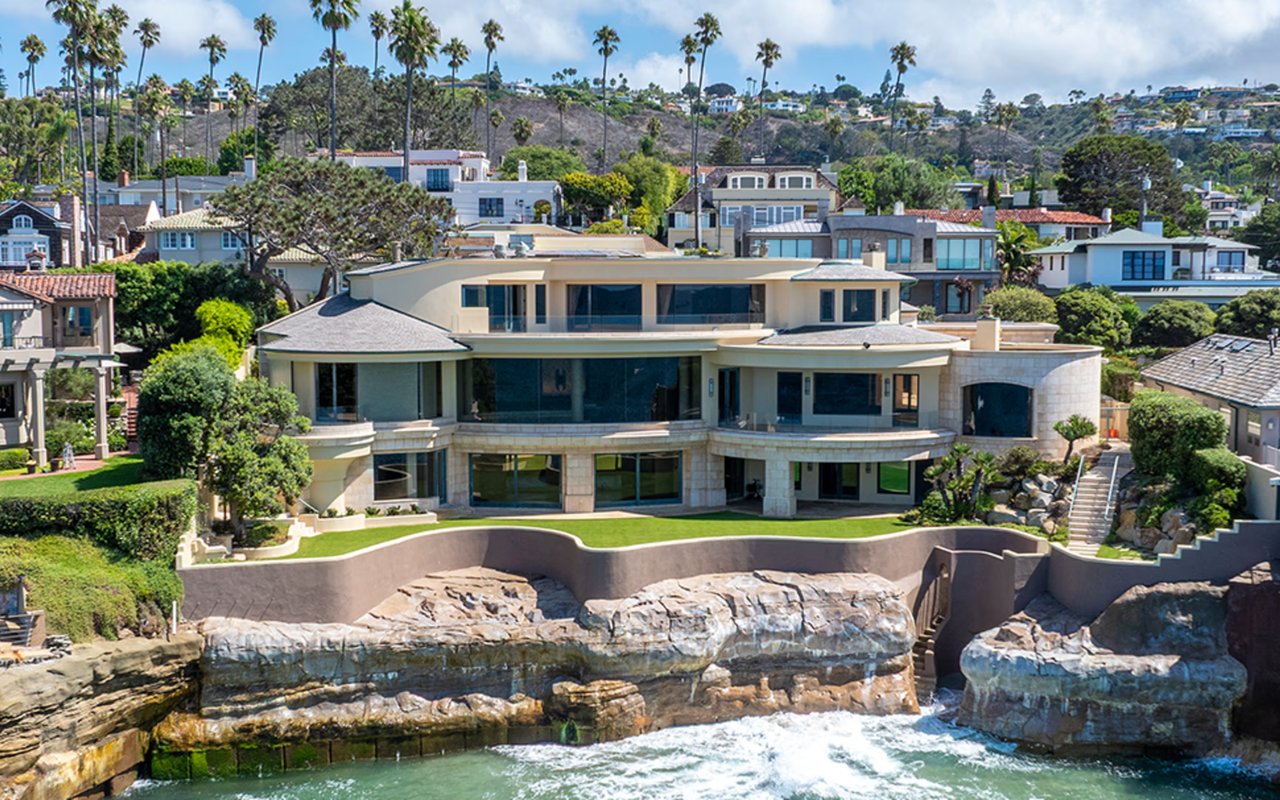
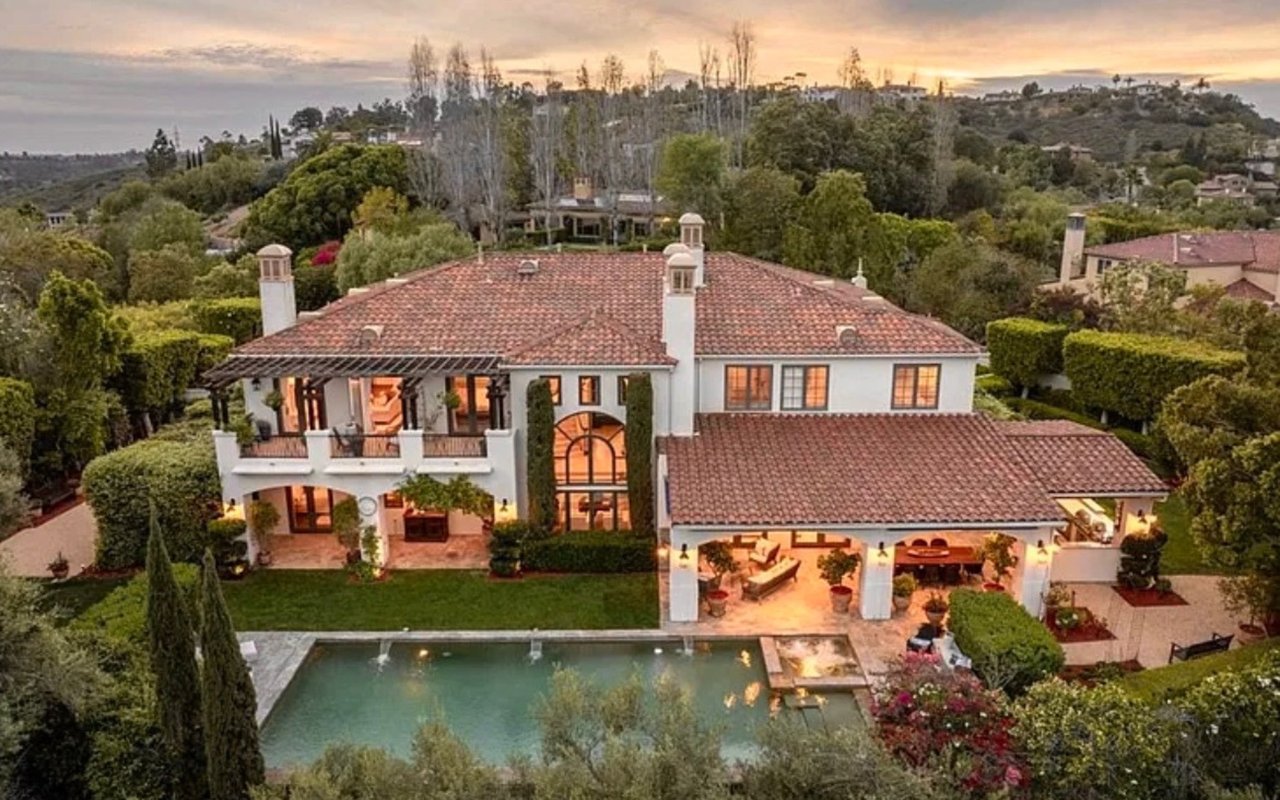
In communities such as Rancho Santa Fe, La Jolla, Del Mar, and in Boston’s most distinguished neighborhoods, many properties are either custom built or extensively renovated. This level of investment allows architects and interior designers to explore ideas without the constraints typically present in production housing.
Luxury homeowners frequently request:
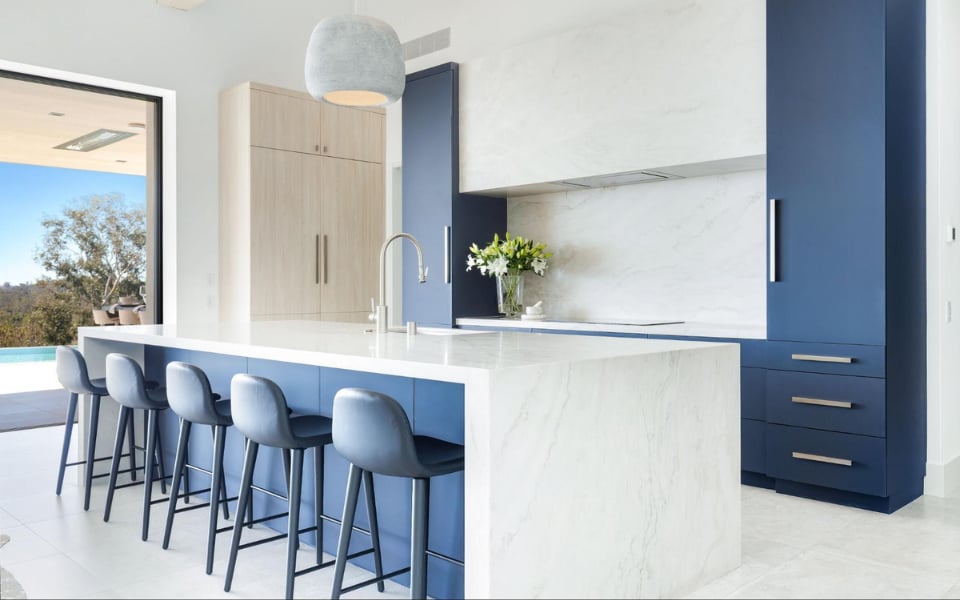
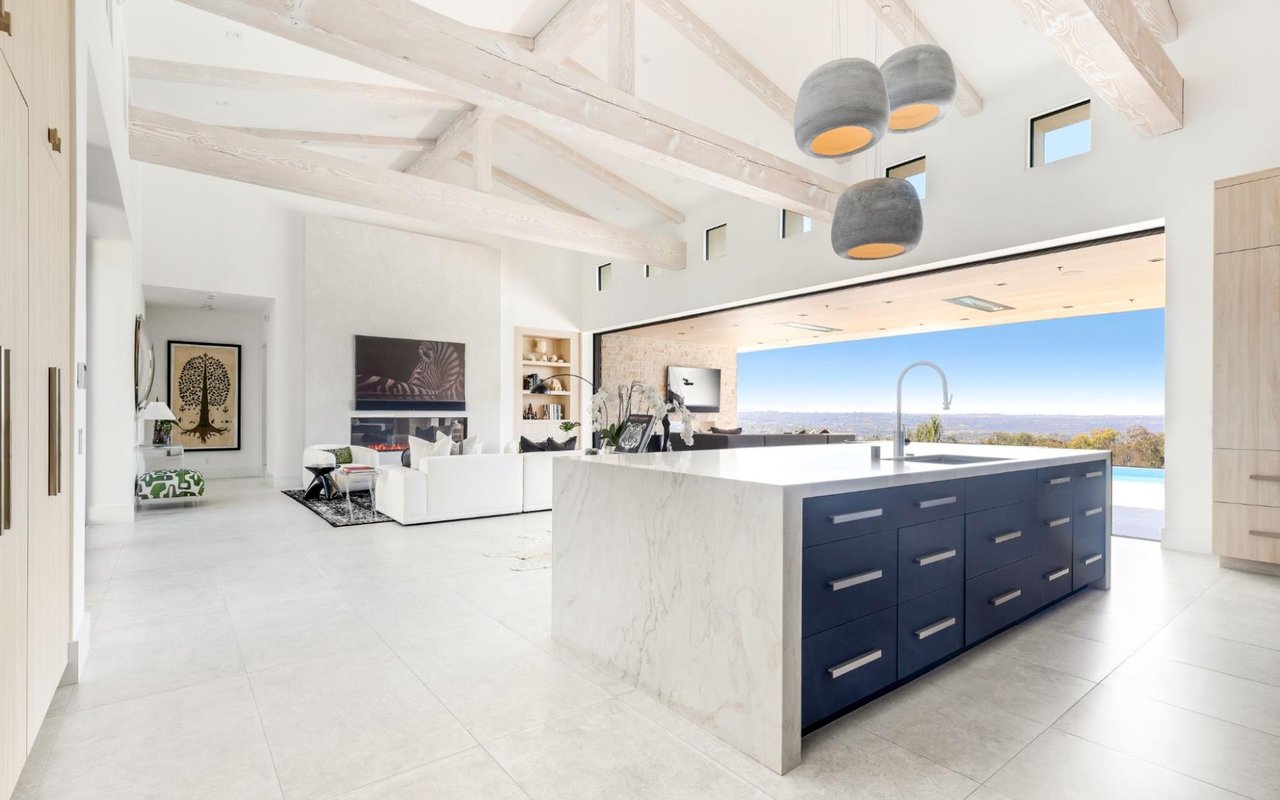
Full slab stone installations with seamless transitions
Custom millwork tailored to the architecture
Architectural lighting that shapes mood and dimension
Integrated smart home systems
Dedicated wellness rooms such as saunas or fitness studios
Because these homes often receive professional photography, refined staging, and broad digital exposure, new design elements quickly gain visibility. Visibility drives aspiration. Aspiration drives adoption.
Luxury homes influence interior design trends because they function as early adoption environments where advanced materials, thoughtful spatial planning, and emerging technologies are introduced. The preferences of high net worth buyers often accelerate the broader acceptance of these features in mainstream residential markets.
I often view this influence through a simple lens: visibility, validation, and adaptation.
Exotic quartzites, oversized marble slabs, artisan plaster finishes, and wide plank European oak flooring often appear first in estate properties. When these materials consistently show up in high profile listings, they gain credibility.
Developers then reinterpret these finishes in more accessible forms. What begins as bespoke craftsmanship becomes a broader aesthetic influence.
Luxury properties frequently challenge conventional floor plans.
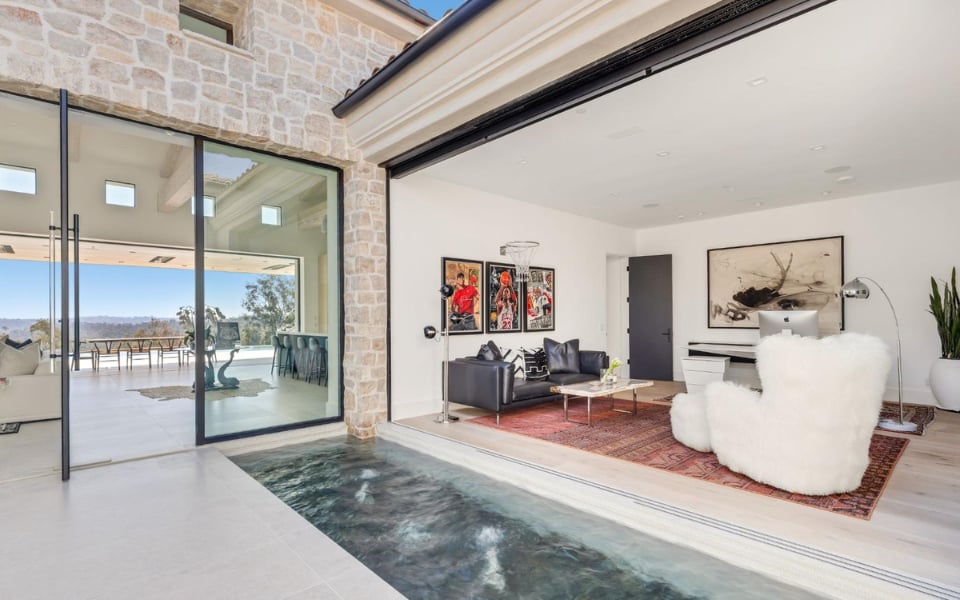
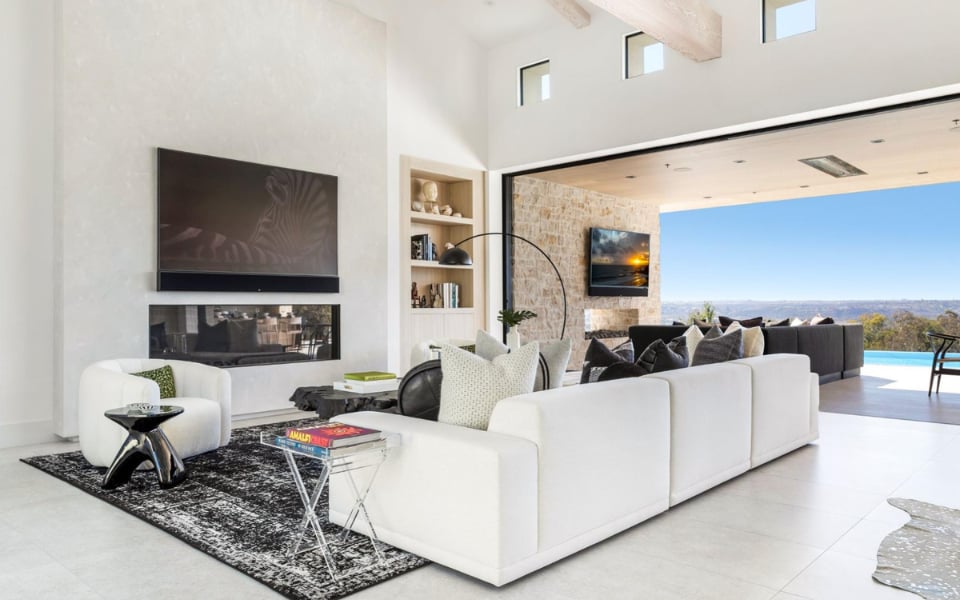
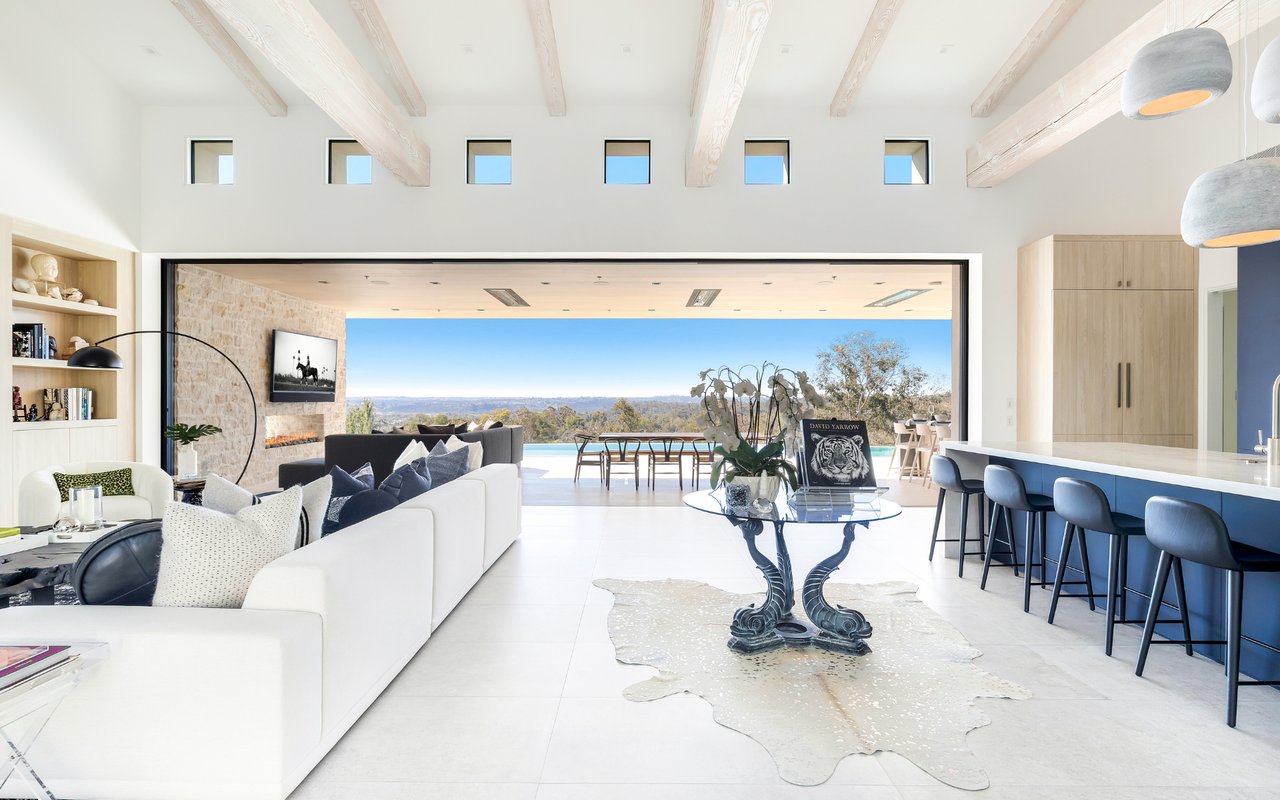
Expansive primary suites with private sitting areas, architectural home offices, secondary kitchens, and seamless indoor outdoor living spaces often debut in custom estates. These layouts reflect evolving lifestyle priorities.
As buyers respond positively, builders integrate similar spatial ideas into future developments at varying price points.
Interior design trends often originate in luxury properties because these homes receive elevated staging and digital exposure. When specific layouts and features appear repeatedly in prestigious listings, they become aspirational standards that influence broader housing design.
High end homes commonly introduce fully integrated lighting systems, discreet security infrastructure, whole home climate zoning, and automated shading. These technologies are installed with careful planning to maintain aesthetic integrity.
Once these systems demonstrate both functionality and buyer appeal, scaled versions become increasingly common in mid range construction.
Wellness spaces were once considered niche amenities. Today they are part of a broader lifestyle conversation.
In luxury homes, I often see:
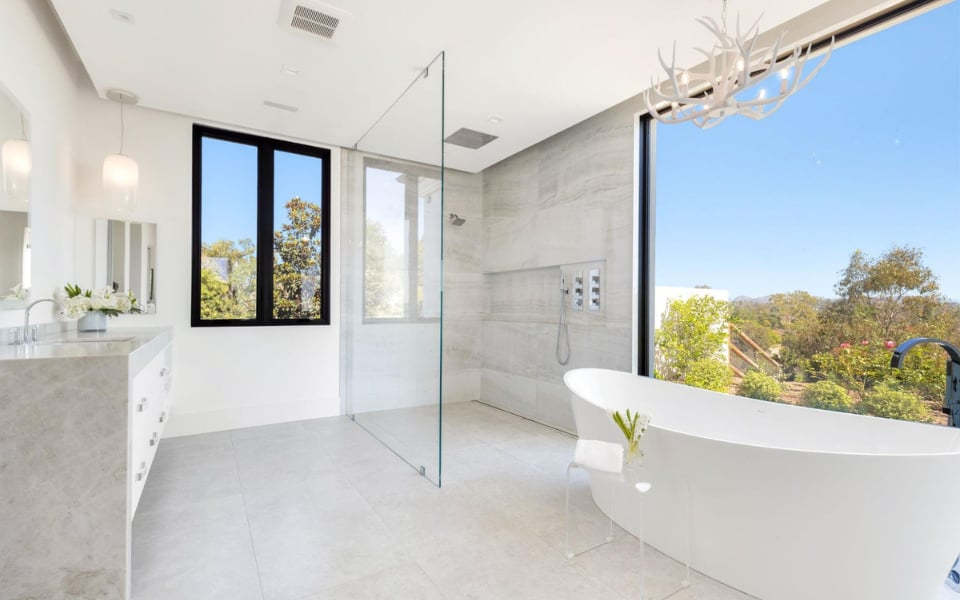
Spa inspired bathrooms
Dedicated fitness studios
Infrared saunas
Cold plunge pools
Meditation gardens
As these features become associated with long term lifestyle value rather than novelty, they begin influencing buyer expectations across multiple price tiers.
Luxury design increasingly reflects a shift toward wellness and lifestyle functionality. When spa inspired bathrooms, home gyms, and meditation spaces become standard in estate properties, they gradually reshape expectations in mainstream housing.
Operating across both coastal Southern California and historic Boston markets offers a unique vantage point.
In communities such as Rancho Santa Fe, La Jolla, and Del Mar, design emphasizes natural light, indoor outdoor continuity, organic materials, and relaxed architectural flow.
In Boston neighborhoods such as Back Bay and Beacon Hill, design often prioritizes historic preservation, intricate millwork, intimate entertaining spaces, and layered lighting.
As affluent buyers relocate or maintain bi coastal residences, preferences travel with them. California openness appears in East Coast renovations. Boston detailing influences West Coast custom builds.
Luxury homes in distinct regions influence one another through architectural exchange. Coastal markets prioritize openness and light, while historic urban markets emphasize craftsmanship and detail. As high net worth homeowners move between regions, they transfer preferences that accelerate cross market design trends.
For buyers, understanding how luxury homes influence interior design trends provides clarity when evaluating long term appeal. Properties aligned with enduring lifestyle priorities tend to feel current for longer.
For sellers, thoughtful design alignment strengthens market positioning.
If preparing a luxury property for sale, consider:
Does the layout reflect modern lifestyle expectations such as a refined home office?
Are materials cohesive and elevated rather than trend driven?
Is indoor outdoor flow optimized where climate allows?
Are wellness elements integrated seamlessly into the architecture?
Does staging highlight architectural strengths with restraint and intention?
Luxury design is not about excess. It is about coherence, craftsmanship, and lifestyle intelligence.
Do luxury homes create trends or follow them?
They do both. Luxury homes often introduce new ideas, but they also refine broader cultural shifts into more sophisticated expressions.
How long does it take for luxury trends to influence mainstream markets?
Adoption typically unfolds over several years and depends on cost accessibility, builder demand, and material availability.
Are celebrity homes the main drivers of trends?
While visibility plays a role, most design evolution originates from architect and client collaboration in custom properties.
Does investing in high end design increase resale value?
Thoughtful, timeless design aligned with lifestyle functionality tends to enhance desirability. Over personalization can limit buyer appeal.
Are wellness features a lasting design direction?
Wellness integration appears durable because it reflects broader lifestyle priorities rather than short term decorative preference.
Luxury homes shape interior design through experimentation, refinement, and visibility. In markets such as Rancho Santa Fe, La Jolla, Del Mar, and Boston’s most distinguished neighborhoods, design evolution unfolds in real time.
For discerning buyers and sellers, understanding this influence offers perspective. Design is not simply aesthetic. It is strategic.
If you are considering a purchase or sale in the greater San Diego luxury market or in Boston’s premier neighborhoods, I welcome a confidential conversation.
Melinda Stockmal
[email protected]
(617) 943-8333
Stay on top of the latest real estate trends and get exclusive insights from industry expert Melinda Stockmal Sign up for our newsletter today and never miss a beat. Join our community of savvy homeowners, investors, and real estate enthusiasts and get the inside scoop delivered straight to your inbox.
Don't wait, Sign Up Now!
Stay up to date on the latest real estate trends.
Boston
Melinda Stockmal
The Real Question Behind the Tax Comparison
Home Buying
Melinda Stockmal
More Than a Luxury Community. A Way of Life.

Boston
Melinda Stockmal
What Boston Offers That Few Cities Can Match
Home Buying
Melinda Stockmal
Community Character: Two Very Different Definitions of Luxury

Guides
Melinda Stockmal
What Is Rancho Santa Fe and Why It Attracts Elite Buyers
The Trend Report
Melinda Stockmal
A Shift of Historic Proportions Is Already in Motion
Rancho Santa Fe
Melinda Stockmal
What Defines a Rancho Santa Fe Equestrian Property?
The Trend Report
Melinda Stockmal
What Customization Means in Today’s Luxury Market
Market Data
Melinda Stockmal
Strategic Luxury Real Estate Investing